The Ultimate UK Brick Guide: Don’t Build Until You Read This
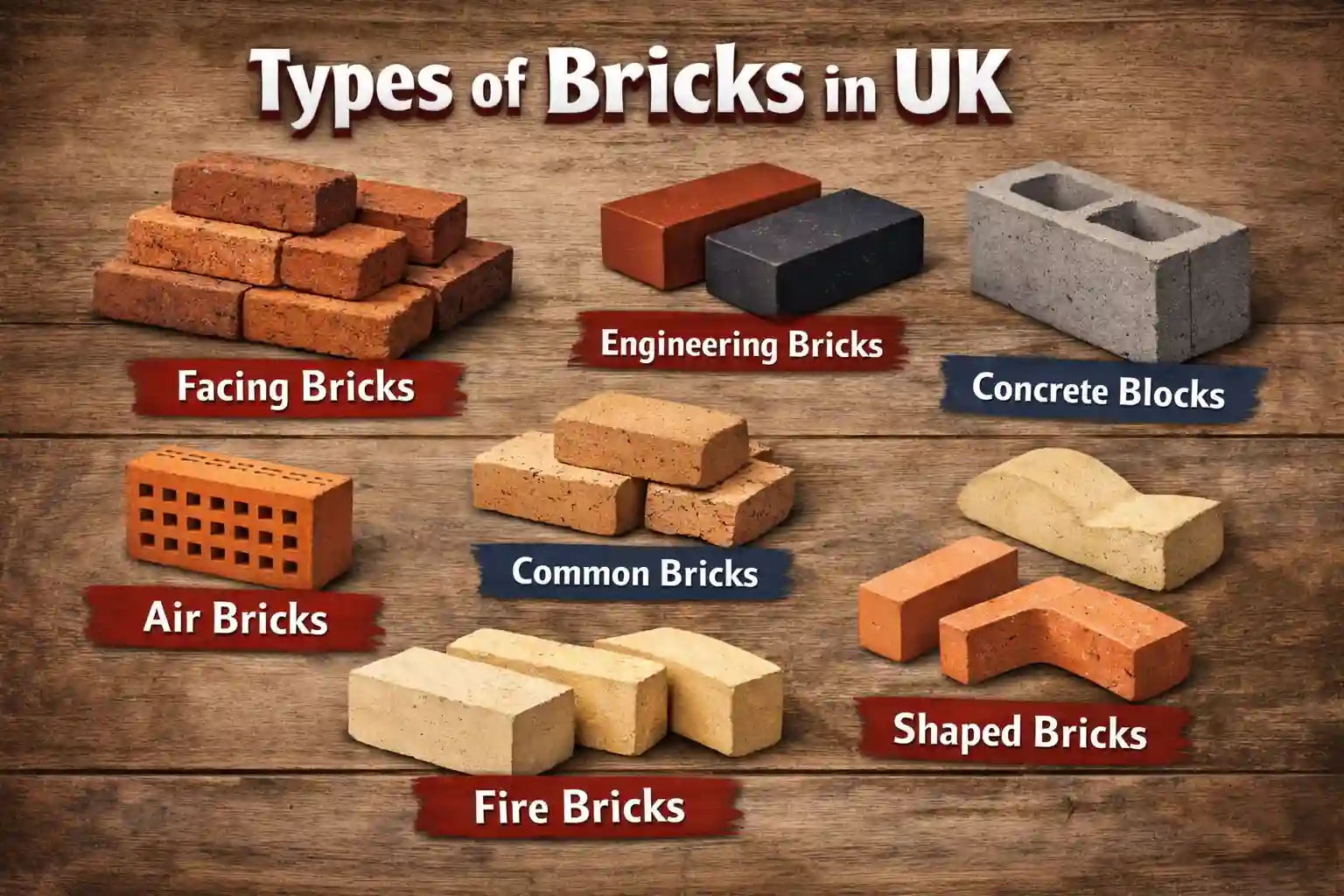
The Building Blocks of Britain
Over the last decade alone, we’ve churned out nearly two billion bricks right here in the UK. We walk past thousands of them every single day without a second thought, but when it’s your own project on the line, choosing the right material suddenly becomes a massive decision. That is exactly why I’ve put together this jargon-free guide to break down UK brick types, their specific uses, and their costs, so you don’t end up chucking hard-earned money down the drain on the wrong gear.
Facing Bricks: The Face of Your Property
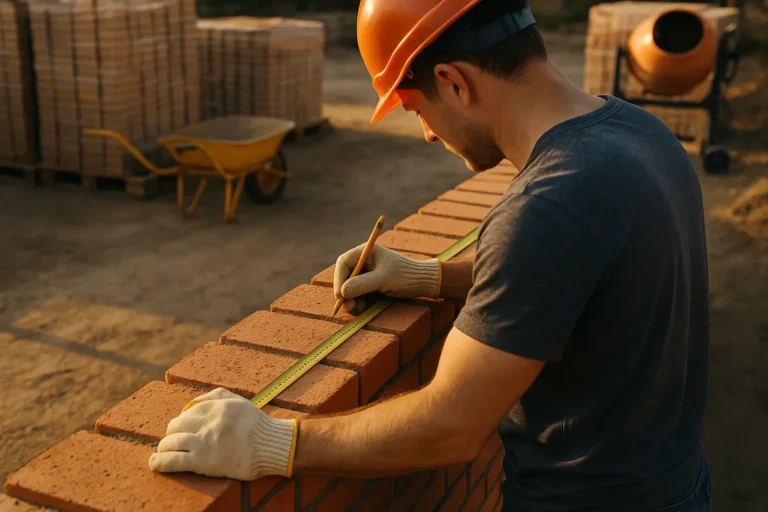
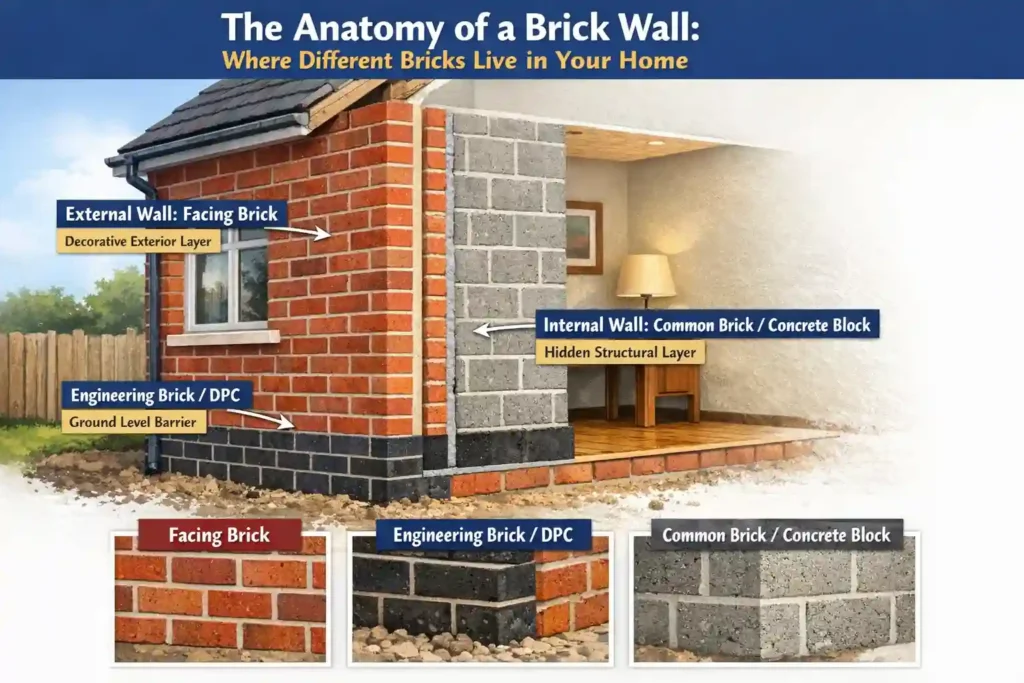
Alright, let us talk about the real showstoppers: facing bricks. These are the bricks you see right on the outside of a house, chosen specifically because they look the business. In my 14 years on the trowel, I can tell you they are not just there for kerb appeal. We use them because they are manufactured to take a proper battering from the elements, giving your external walls serious weather resistance.
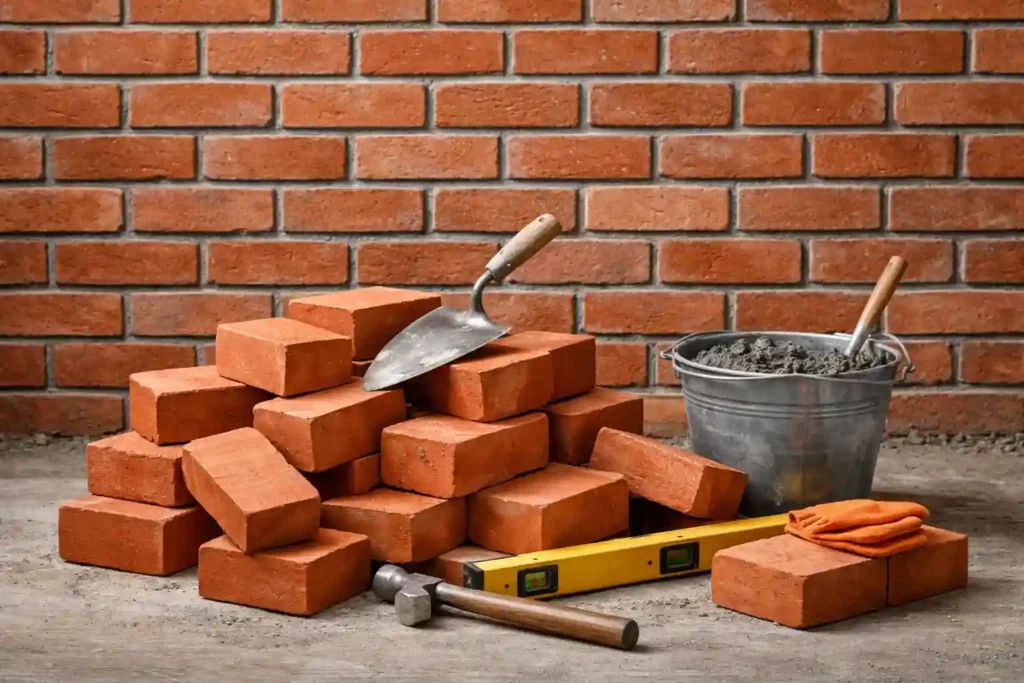
Not all facing bricks are knocked up the same way, though. Here is a quick breakdown of how they are manufactured.
Handmade Bricks:
These are the premium end of the market. Because the wet clay is literally thrown into moulds by hand, every single brick has its own unique character, texture, and natural creasing. If you’re building a luxury home or working in a strict conservation area, planning officers will often require you to use these to keep that authentic heritage look.
Wirecut (Extruded) Bricks:
If you want a sharp, modern, and uniform finish, this is your go-to. They are mass-produced by forcing clay through a die and slicing it up with a wire. You’ll easily spot them by the distinct ‘drag’ texture left on the face by the wire, and the perforations (holes) running right through the middle of them.
Soft Mud (Stock) Bricks:
Want that classic, reclaimed texture without the hassle of actually sourcing old bricks? Stock bricks are made by throwing clay into individual moulds, which gives them a slightly irregular shape and a softer edge. They are absolutely brilliant for matching up older brickwork on an extension.
Brickie Pro Tip:
Never order your whole lot off a glossy brochure. Always get enough brick samples to build a square metre test panel on site so you can see them in natural daylight. And remember, the mortar colour you choose will completely change the final look of that wall.
The Heavy Lifters: Engineering and Common Bricks
Right, moving away from the pretty stuff, let us look at the proper grafters. We are talking about the bricks doing the dirty work right behind the scenes or straight below the ground. For groundwork operating below the DPC (Damp Proof Course), you can’t rely on standard common bricks. You need the low water absorption and high compressive strength of a Class A or Class B engineering brick.
Common Bricks
First up, we have common bricks. Despite the name, they are not actually that common on the outside of properties anymore. They are your brilliant budget friendly option meant strictly for internal load bearing walls or partition work. Because they are not made to look perfect aesthetically, we just build the courses and then plaster or render straight over the top of them.
Engineering Bricks
Then you have your engineering bricks. These are the absolute heavyweights of the building site. Their real superpower is having incredibly high compressive strength combined with ridiculously low water absorption. If you need to build a damp proof course to stop moisture creeping up your fresh walls, or you are working on sewers and tunnels, this is exactly what you use.
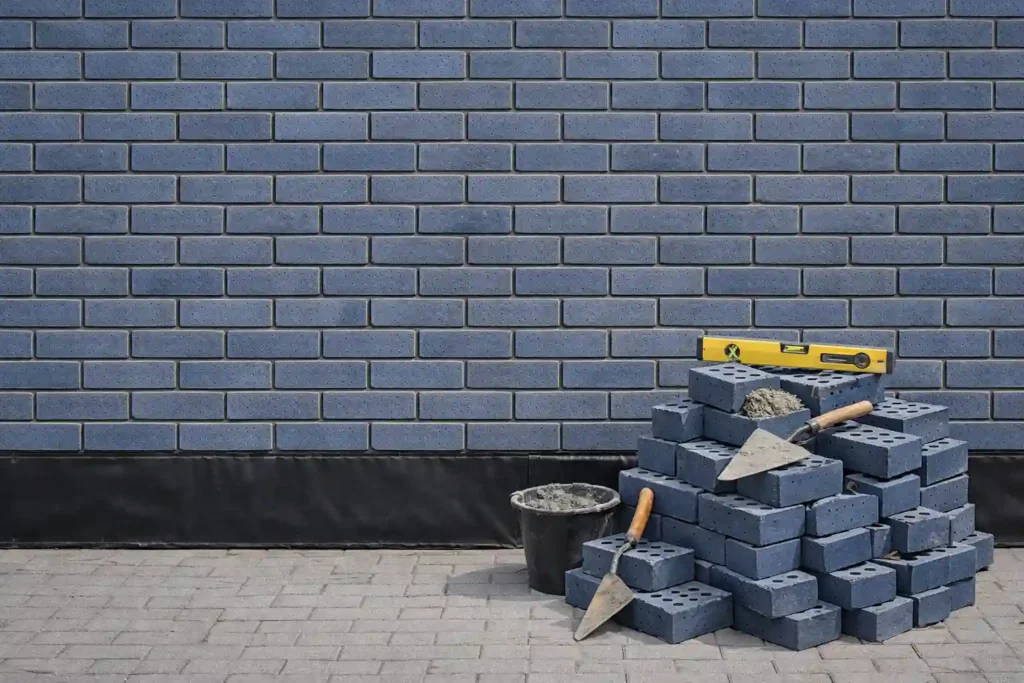
They usually come in two main categories. Here is a quick look at how Class A and Class B stack up so you know exactly what you are ordering for your site:
Brick Class | Usual Colour | Compressive Strength | Water Absorption |
Class A | Blue | 125N/mm2 | <4.5% |
Class B | Red | 75N/mm2 | <7% |
The Problem Solvers: Speciality Bricks
Right, let us look at the problem solvers. These are your speciality bricks designed to do a very specific functional job on site.
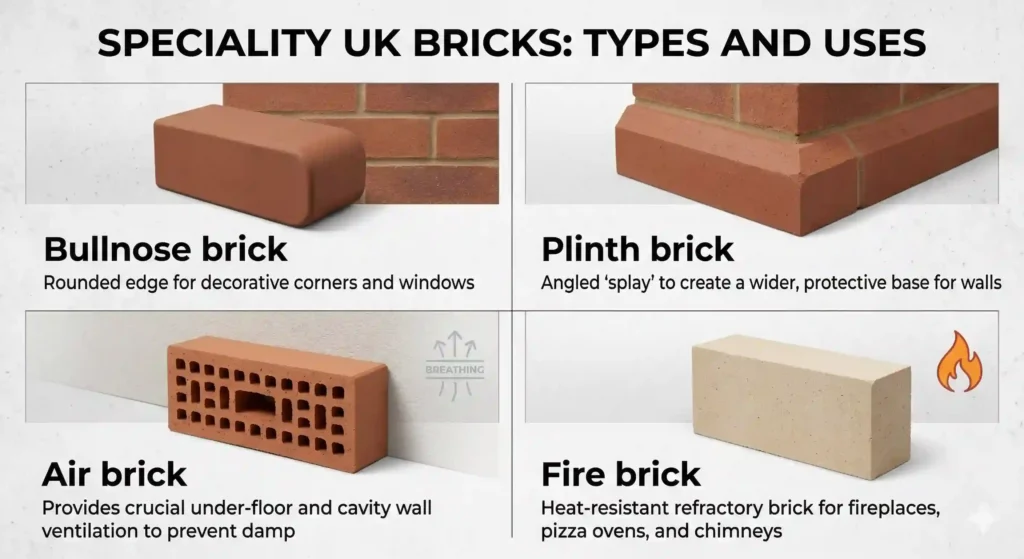
Air Bricks
Think of these as the lungs of the house. You will spot these straight away because they look like little waffles full of holes. We place them strategically to ventilate cavity walls and sub floors. That constant airflow stops damp and rot from destroying your property.
Fire Bricks (Refractory Bricks)
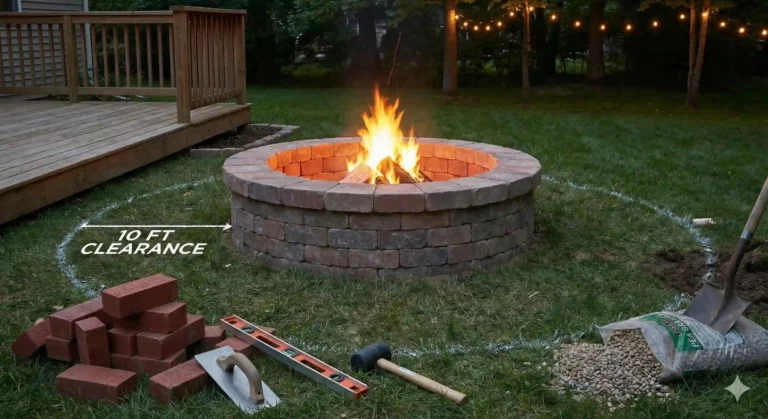
These are your absolute heat shields. Packed full of alumina and silica, they are fired at massive temperatures so they will not melt or crack when things get properly hot. If you are building a backyard pizza oven or an open fireplace, these are the exact bricks you need.
Shaped Bricks (Specials)
When you want those lovely decorative touches without hacking standard bricks to pieces, you call in the specials. A Bullnose brick gives you a brilliant smooth rounded edge for doorways and corners. Can’t bricks let you build neat angled features, and Plinth bricks cleanly change the depth right at the base of your wall.
What about Concrete Blocks?
Now we need to address the elephant in the room: concrete blocks. They are not technically bricks, but you simply cannot talk about UK masonry without bringing them up. In all my years on the site, these are the absolute go to materials for heavy structural work.
Why do builders love them?
- Brilliant for Foundations: They handle massive load bearing weights with ease.
- Highly Cost Effective: A completely practical solution when you do not need the visual appeal of a facing brick.
- Excellent Thermal Control: They offer brilliant thermal conductivity, keeping the heat inside your house exactly where you want it.
Because they are much larger than a standard house brick, they cover a massive amount of surface area very quickly.
The Master Brick Cheat Sheet
If you are just skimming, here is my ultimate cheat sheet. This tells you exactly what you need to know about the four main structural blocks at a single glance:
Brick Type | Visually Pleasing? | Handles Heavy Loads? | Safe Below Ground? | Best Used For |
|---|---|---|---|---|
Facing Bricks | ✅ Yes | ✅ Yes (Moderate) | ❌ No | Exterior walls and aesthetic facades |
Engineering Bricks | ❌ No (Usually) | ✅ Yes (Extreme) | ✅ Yes | Damp proof courses (DPC)and sewers |
Common Bricks | ❌ No | ✅ Yes (Moderate) | ❌ No | Internal walls you plan to plaster |
Concrete Blocks | ❌ No | ✅ Yes (High) | ✅ Yes | Foundations and hidden supports |
Picking the right brick is about much more than just a smart finish.
For reference, a standard UK brick measures exactly 215mm in length, 102.5mm in width, and 65mm in height. Now that you know exactly which brick you need to buy, do you actually know how many you have to order?
Stop Guessing Your Brick Count!! Do not just guess and end up with a costly surplus sitting on your driveway. Head over to our Brick Calculator to get the exact numbers for your next project.
The Ultimate Project Matchmaker
Still scratching your head over which brick to buy? Let us make this dead simple. Here is exactly what I would order for your specific job:
- Building a garden wall? You want a durable Facing Brick. It needs to look the business and stand up to the British weather.
- Laying a foundation below ground? You need Class B Engineering Bricks or solid Concrete Blocks. They stop damp dead in its tracks.
- Building a backyard pizza oven? Stop right there and order Fire Bricks. Anything else will just crack and crumble when the heat gets up